Do You Have a Leak in Your Lead Pipeline?
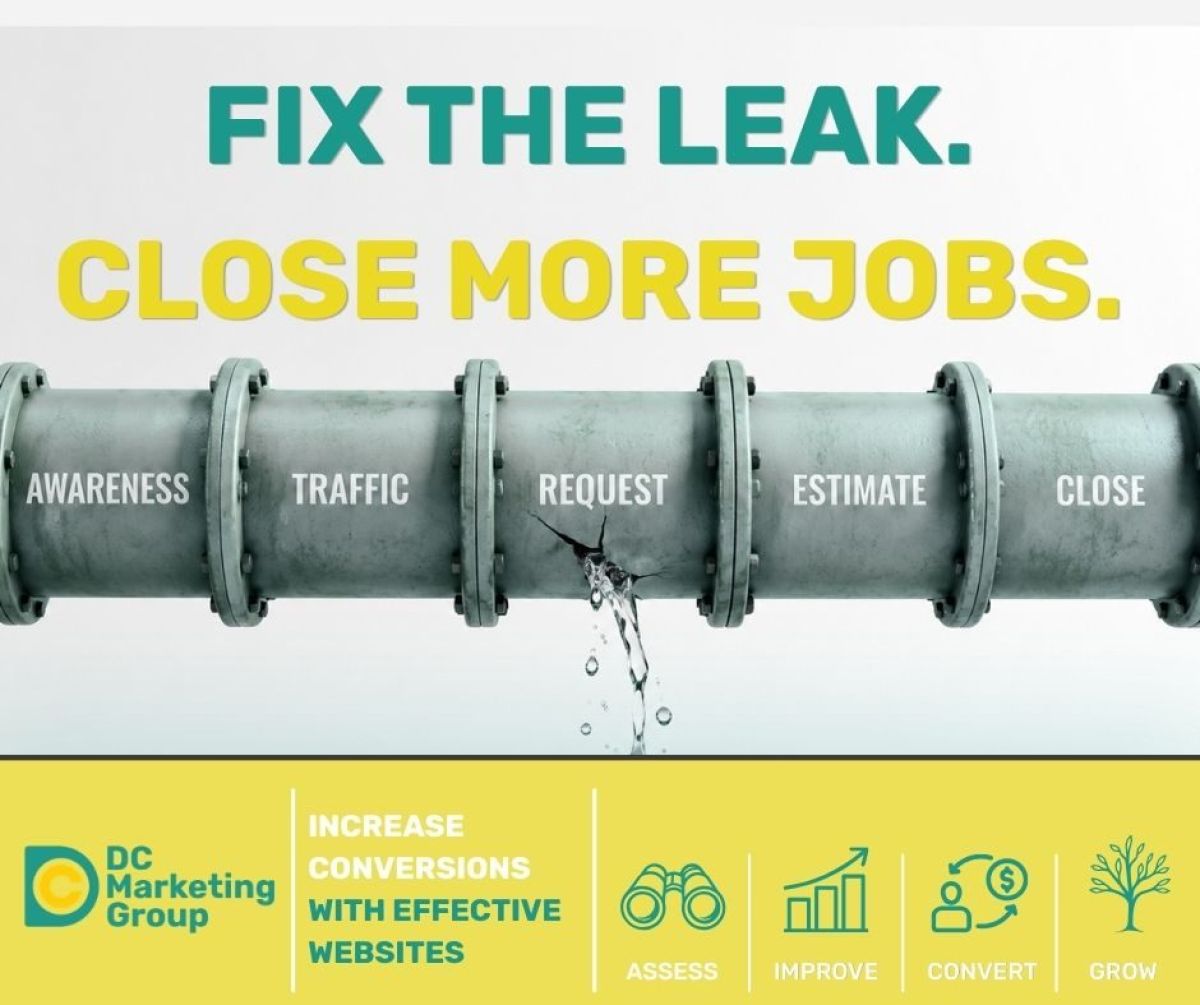
Everyone focuses on how to get more traffic to their site. But what about the traffic you have? Do they easily turn into leads? And how effectively do they close?
Kristen Kniss is our user-experience partner and founder of Alpine Design, a firm focused on increasing lead conversion through positive user experiences (UX). She says, “When we do an audit of a website, the most common issue we find is broken web forms.”
What Is UX?
I like to think of UX as your digital salesperson. The job of UX is to make every digital interaction informative, intuitive, and easy so you can begin the trust building t before a human even picks up the phone.
It is a thoughtful process in which you ensure every page, picture, click, form, and follow-up creates a positive perception of your company. Done well, strong UX guides the right customers to the next step in the buying process while naturally filtering out the price shoppers.
Why Is UX Important?
Sometimes UX feels like something more suited to software companies, where large marketing teams pore over marketing analytics and conversion data. But for the painting industry, it might be even more important.
“Painting contractors are different than other types of businesses. Especially in residential, customers are inviting you into their home,” Kniss says. It’s important to remember that customers are assessing their comfort with you from the first interaction.
It may sound overwhelming, but after decades of building frictionless digital experiences, Kniss assures us that there is some low-hanging fruit.
Broken Forms — The Lost Lead
It’s frustrating to fill out a form only to have nothing happen. If it’s a form a prospect filled out on your website, it immediately calls your efficiency and quality into question. It would be nice to think people will simply pick up the phone and give you a call, but chances are they are just moving on to the next contractor.
It’s important to note that very few people build a broken form; it just happens over time. The biggest causes are things you don’t control and often don’t even see.
Browsers, plugins, security tools, and more are constantly updating. While every update won’t render your form useless, some of them will. The key is understanding that forms are not a set it and forget it tool (I mean, is anything really?). It’s critical to remain vigilant in monitoring and testing.
“Check your web forms monthly at a minimum,” recommends Kniss. She recommends a recurring task in your calendar and a person who owns the digital experience. “If you have an agency, this would be part of a maintenance plan.”
The good news is that the hard part is finding it. The fix is generally easy.
Missed Opportunity — Your First Impression
We often get this question: How do I raise prices so I can build cash flow and grow my business?
The answer is to close customers who value what you provide and are willing to pay a higher price for it. That all starts with the digital experience you create. It’s your first impression! Your big opener!
Forms that work and have strong follow-up are very effective sales tools because they illustrate your excellent customer experience.
Kniss recommends that when planning your form follow-up, consider this:
- You are asking them for something (their information), so give them something in return.
- Forms are often filled out during off-business hours.
What can you give them? Satisfaction, direction, and reassurance. It might look like this:
Consider including these things in your automatic follow-up:
- Satisfaction. Confirm you received the form. Let them know they can check this off their list, and you have it from here.
- Direction. Include your business hours, when they can expect a human to follow up, and what steps to expect next.
- Reassurance. Reassure them that the time they spent filling out YOUR form was the best step they could have taken by giving a little something extra. Consider it a sales opportunity you don’t want to miss. Set yourself apart by including a link to a testimonial or a cool project. Tell them about how you limit disruption or have never missed a deadline. Just start planting the seeds of quality now.
Finally, don’t forget the confirmation email. This step helps you identify bogus information fast (bad emails will bounce), gives the customer something they can reference later, and provides you a little more space to communicate your exceptional services.
Your confirmation email can show prospects: Rest assured, our systems run smoothly — just like our jobsites.
Test out these strategies and see how your close ratios change. We’d love to hear about your experience.
Need help creating a website that converts traffic to high-value leads? At DC Marketing Group, we specialize in marketing for painters. Our vast experience and insights can streamline your marketing processes and help you get more prospects and close more jobs. Schedule Your Free Consultation Call today!

About Emily Howard
Emily has always been passionate about the trades and joins us after 15 years as editor-in-chief at American Painting Contractor. Last year, she traded her full-time desk job to explore a career in farming. Today, she balances her two passions by farming fresh veggies at a small farm in the summer and creating content and marketing strategies for the painting industry in the winter. Emily is dedicated to clean data, smooth systems, and telling the stories of the painting industry.
When she isn’t working at a desk or in a field, she enjoys Colorado life with her two dogs and fiancé: hiking, snowboarding, tending her plants, and making pottery.